
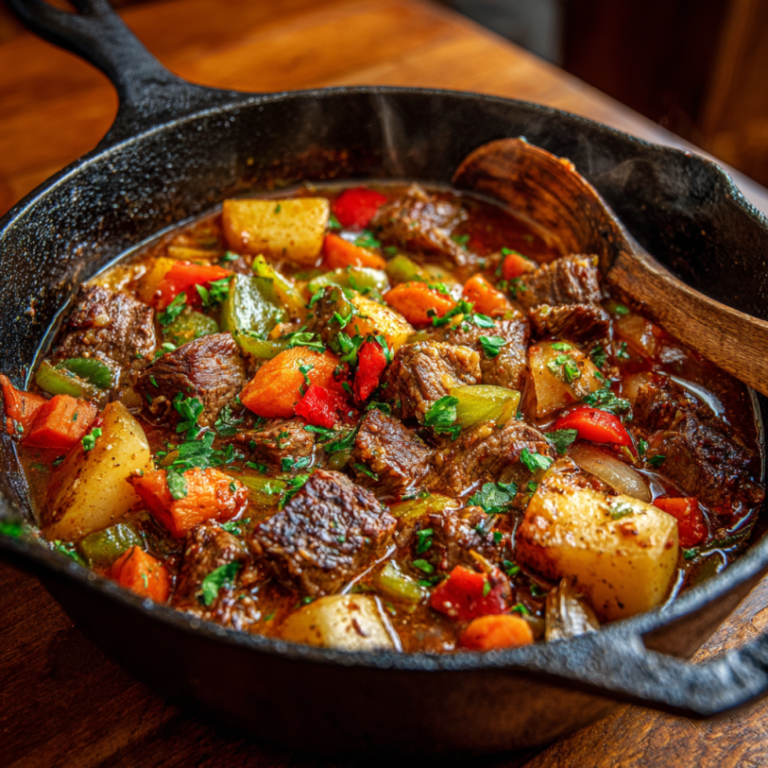
If there’s one dish that brings me right back to my grandma’s kitchen in Savannah, it’s a pot of hearty stew bubbling on the stove. Cajun beef stew isn’t just dinner—it’s comfort, spice, and story all in one. This recipe takes the soulful traditions of Louisiana cooking, blends them with the fiery kick of Cajun spices, and turns ordinary beef into a bowl of unforgettable flavor. In this guide, you’ll learn how to make an authentic Cajun beef stew recipe, discover the difference between Cajun and Creole styles, and pick up tips to make it perfectly yours.
For another take on this classic comfort dish, check out this Beef and Barley Stew Recipe packed with flavor and easy-to-follow steps.
The Story and Flavor of Cajun Beef Stew
Rooted in Louisiana Tradition
Cajun beef stew is more than a simple comfort food—it’s part of the heartbeat of Louisiana cooking. Rooted in the traditions of Cajun families who made the most of humble ingredients, this stew reflects a cuisine that values bold spice and soulful depth. The “holy trinity” of onion, bell pepper, and celery forms its flavorful base, while tender chunks of beef simmer slowly to absorb smoky paprika, cayenne, and garlic. Every spoonful carries the balance of earthiness and heat that defines Cajun comfort food.
Why This Stew Stands Out
Unlike a classic American beef stew that leans on carrots and potatoes for sweetness, Cajun beef stew thrives on its spice-forward character. The slow cooking allows the beef to become fork-tender, while the sauce thickens into a rich, almost gravy-like consistency. It’s not just a meal—it’s a one-pot celebration of Louisiana’s culture, where French, Spanish, and Southern influences all meet. That’s why people who try this dish often say it feels like both a hug and a wake-up call, delivering warmth and a touch of fiery kick.
Ingredients That Define Cajun Beef Stew
Building the Flavor Base

Every authentic Cajun beef stew recipe starts with the “holy trinity” of onion, celery, and bell pepper. This trio creates the foundation for nearly every Louisiana stew or gumbo. Slowly sautéed until fragrant, they release a sweetness that balances the bold spices to come. Garlic adds depth, while a touch of tomato paste enriches the stew with a subtle tang. For protein, beef chuck is ideal—it’s marbled enough to stay juicy but sturdy enough to hold up to hours of slow simmering. Carrots and potatoes aren’t traditional in every Louisiana beef stew, but they bring body and balance for those who enjoy a heartier bowl.
The Cajun Spice Profile
What truly separates Cajun beef stew from other styles is the spice blend. A mixture of smoked paprika, cayenne, black pepper, thyme, oregano, and bay leaves transforms a simple pot of beef and vegetables into a spicy beef stew full of personality. Cayenne pepper provides the signature kick, but it’s the layering of spices—not just heat—that creates that deep Louisiana flavor. Some cooks thicken the stew with a roux, a flour-and-oil mixture whisked until nutty brown, which adds a silky body and nutty undertone. Others prefer a lighter broth, letting the spices and beef stand front and center. Both variations remain true to the Cajun approach: bold, unapologetic, and designed to satisfy.
A well-prepared Louisiana beef stew doesn’t just warm you up—it tells a story in every bite. Each ingredient has a purpose, each spice a role in the harmony. That’s why this dish endures across generations, celebrated not only in small-town kitchens but also at gatherings where food brings people together. When done right, a pot of Cajun beef stew feels like more than dinner—it feels like tradition carried forward with every simmering spoonful.
Cooking Techniques That Make the Stew Authentic
The Art of the Slow Simmer

Patience is the secret ingredient in any Cajun beef stew recipe. Unlike quick weeknight meals, this stew depends on slow, steady cooking to build flavor. After searing the beef to a deep brown crust, the pot is deglazed with broth or stock, pulling up all those caramelized bits from the bottom. As the stew simmers low and slow, the beef gradually tenderizes while the spices meld into a balanced, complex sauce.
This method transforms what could have been an ordinary pot of meat and vegetables into a Louisiana beef stew with richness in every spoonful. The slow simmer also ensures the heat from cayenne pepper isn’t harsh but instead rounded and mellow, making it the perfect spicy beef stew for those who enjoy bold flavors without overpowering burn.
Techniques That Elevate the Flavor
One of the most beloved Cajun methods is making a roux—a simple but transformative mixture of flour and oil cooked until golden brown or deep mahogany. Stirring a roux takes focus, but the payoff is a nutty, toasty backbone that thickens the stew and gives it body. Another key step is layering the spices: first seasoning the beef before searing, then adding another wave of seasoning into the vegetables, and finally adjusting at the end. This layered approach ensures no bite is bland.
Some cooks add Worcestershire sauce or a splash of hot sauce to deepen the savory notes, while others prefer to keep it traditional with nothing but Cajun seasonings. Whichever way you choose, the goal is the same—create a stew that tastes like it simmered for generations.
Mastering these techniques is what makes a Cajun beef stew feel authentic. It’s not just about ingredients but about treating each step with intention. The reward is a stew with depth, warmth, and spice that could easily stand alongside the best Louisiana beef stews you’d find in family kitchens across Acadiana.
Print
Cajun Beef Stew Recipe – Spicy Louisiana Comfort
- Total Time: 1 hour 50 minutes
- Yield: 6 servings
Description
This Cajun Beef Stew recipe brings together tender beef, the classic Cajun trinity of vegetables, and bold Louisiana spices in a hearty, soul-warming dish. Slow-simmered to perfection, it delivers deep flavor and a touch of heat, making it the ultimate comfort food for family dinners or cozy gatherings.
Ingredients
- 2 pounds beef chuck, cut into 1 1/2-inch cubes
- 2 tablespoons vegetable oil
- 1 large onion, chopped
- 1 bell pepper, chopped
- 2 celery ribs, chopped
- 3 cloves garlic, minced
- 2 tablespoons tomato paste
- 4 cups beef broth
- 1 tablespoon Cajun seasoning
- 1 teaspoon smoked paprika
- 1/2 teaspoon cayenne pepper (adjust to taste)
- 2 bay leaves
- 2 carrots, sliced
- 2 potatoes, cubed
- Salt and black pepper to taste
- Fresh parsley for garnish
Instructions
- Sear the Beef: Heat oil in a large pot over medium-high heat. Sear beef in batches until browned on all sides. Remove and set aside.
- Sauté the Trinity: In the same pot, add onion, bell pepper, and celery. Cook 5 minutes until softened. Stir in garlic and tomato paste; cook 1 minute more.
- Deglaze and Build Flavor: Add beef broth, scraping the bottom of the pot. Stir in Cajun seasoning, smoked paprika, cayenne, and bay leaves.
- Simmer the Stew: Return beef to the pot. Bring to a boil, then reduce heat to low. Cover and simmer for 60 minutes, stirring occasionally.
- Add Vegetables: Stir in carrots and potatoes. Continue simmering 25–30 minutes until beef and vegetables are tender.
- Finish and Serve: Remove bay leaves, adjust seasoning with salt and pepper, and garnish with fresh parsley before serving.
Notes
For a spicier beef stew, increase the cayenne pepper or add hot sauce. For a thicker consistency, whisk in a roux or slurry. Serve traditionally over white rice, with cornbread, or alongside crusty bread for soaking up the rich gravy.
- Prep Time: 20 minutes
- Cook Time: 90 minutes
- Category: Main Dish
- Method: Stovetop
- Cuisine: Louisiana Cajun
Nutrition
- Serving Size: 1 bowl
- Calories: 480
- Sugar: 5g
- Sodium: 970mg
- Fat: 24g
- Saturated Fat: 8g
- Unsaturated Fat: 13g
- Trans Fat: 0g
- Carbohydrates: 28g
- Fiber: 4g
- Protein: 34g
- Cholesterol: 95mg
Variations and Adaptations of Cajun Beef Stew
Making It Spicier or Milder
One of the beautiful things about a Cajun beef stew recipe is how flexible it can be. If you love a fiery kick, you can easily transform it into a spicy beef stew by increasing the cayenne, adding hot sauce, or stirring in crushed red pepper flakes. For families who prefer a gentler version, simply reduce the cayenne and lean more on smoked paprika and garlic for flavor without overwhelming heat. This adaptability makes the stew approachable for all palates while still carrying the bold Cajun identity. Some cooks even serve hot sauce on the side, allowing everyone at the table to adjust the heat to their liking.
Regional and Creative Twists
Across Louisiana, you’ll find slight differences in how this stew is prepared. In some parts of Acadiana, cooks add andouille sausage for smoky depth, turning it into a hybrid dish that feels like a bridge between gumbo and beef stew. Others use venison or pork instead of beef, depending on what’s available, creating rustic versions that still honor Cajun tradition. For a lighter twist, some swap in chicken and keep the same spice blend, making it closer to a weeknight meal. A growing number of modern variations also experiment with root vegetables like parsnips or turnips, adding earthiness to the pot.
These adaptations prove that Louisiana beef stew isn’t a rigid recipe but a living, evolving dish shaped by families, regions, and personal preferences. Whether you lean spicy, mild, meaty, or creative, the essence remains the same: bold Cajun flavor that warms both body and spirit. Each variation still pays homage to the cultural roots of Cajun cuisine while leaving room for personal flair. That’s why this dish continues to thrive—it’s endlessly customizable, yet always unmistakably Cajun.
Serving and Pairing Ideas
Classic Southern Pairings
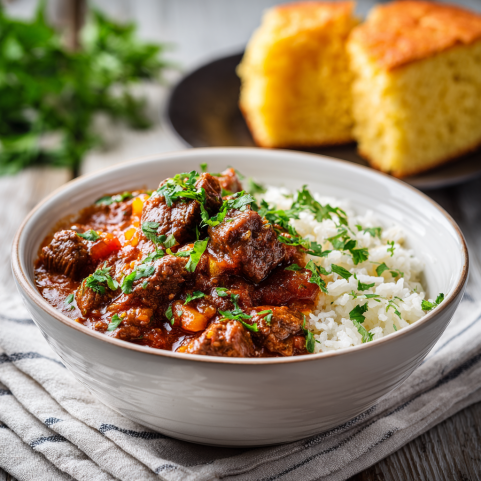
A hearty Cajun beef stew recipe deserves to be served with the sides that make Louisiana cooking shine. The most traditional pairing is fluffy white rice, which soaks up the bold, spicy gravy and balances the richness of the beef. Many families also spoon the stew over cornbread or biscuits, letting the bread absorb the flavors while adding a touch of sweetness. For gatherings, serving with crusty French bread is common—a nod to Louisiana’s French heritage. Each option keeps the focus on the stew itself while enhancing the meal with comforting textures.
Elevating the Meal Experience
If you want to take your Louisiana beef stew to the next level, think about complementing it with dishes that round out the Cajun experience. A crisp green salad with tangy vinaigrette offers freshness to balance the richness of the stew. Collard greens or mustard greens simmered with smoked ham bring a savory depth that pairs beautifully with the spice. And of course, a spicy beef stew can be paired with cooling sides—like creamy coleslaw or potato salad—for contrast. When serving guests, consider small bowls of pickled okra or spicy pickled beans on the side, adding crunch and acidity.
Even beverages can play a role. A cold lager or light beer complements the heat, while sweet iced tea provides a refreshing counterpoint. For a more festive occasion, a bold red wine like Shiraz or Zinfandel stands up well against the intensity of the Cajun spices.
Serving Cajun beef stew isn’t just about putting food on the table—it’s about creating balance and highlighting the bold flavors that Louisiana cuisine is famous for. With the right pairings, your spicy beef stew can transform into a complete, unforgettable dining experience.
Tips, Tricks, and Common Mistakes
Keys to Perfecting the Stew
When making a Cajun beef stew recipe, the first key is browning the beef properly. Skipping this step means losing layers of flavor that come from caramelized meat. Take your time and sear in batches, letting the beef form a crust before moving on. Another tip is controlling the spice balance. For a spicy beef stew, it’s tempting to add all the cayenne at once, but adding in layers ensures the flavor is bold yet balanced.
Don’t forget the simmer: keeping the pot on a low, steady heat allows the beef to tenderize without drying out. Stir occasionally and skim any excess fat to keep the stew rich but not greasy.
Mistakes to Avoid
One of the most common mistakes is rushing the roux. If you decide to use one, undercooking leaves a raw flour taste, while overcooking can burn and turn the whole pot bitter. Stir constantly until you reach a nutty aroma and a color that matches your preference, anywhere from golden to deep brown. Another misstep is overseasoning too early. Cajun spices intensify as they cook, so always taste toward the end and adjust.
Using the wrong cut of beef is another issue—lean cuts like sirloin will toughen up, while chuck or brisket holds up beautifully in a long-simmered Louisiana beef stew. Finally, avoid overcrowding the pot. Too much liquid or too many ingredients at once prevent browning and create a flat-tasting stew.
Paying attention to these details ensures your Cajun beef stew isn’t just good—it’s memorable. The difference between an average pot and an extraordinary one comes down to care, patience, and a respect for the traditions that built this dish. By learning from these tips and avoiding the pitfalls, you’ll consistently create a stew that captures the heart of Cajun cooking.
FAQs
Do I need a roux for this stew?
Not always. Many traditional Louisiana beef stews use a roux to thicken and deepen flavor, but some recipes keep the broth lighter. Both are authentic—your choice depends on whether you want a silky, gravy-like consistency or a brothier finish.
Can I make a spicy beef stew without overwhelming heat?
Yes. The beauty of Cajun cooking is layering flavors. You can still have a bold spicy beef stew by using smoked paprika, garlic, and black pepper, then adding cayenne in small amounts. Serving hot sauce on the side lets everyone adjust the spice level.
What cut of beef is best for a Cajun beef stew recipe?
The best choice is beef chuck. It has enough marbling to become tender during long cooking, making it ideal for the slow simmer needed in a Louisiana beef stew. Brisket is another option, but leaner cuts like sirloin will turn chewy.
What’s the best way to reheat it?
For the best results, reheat gently on the stove over low heat. Stir occasionally and add a splash of broth if needed. Avoid microwaving large portions, as it can heat unevenly and change the texture.
Conclusion
A well-made Cajun beef stew recipe is more than just food—it’s an experience. With its roots in Louisiana tradition, this stew brings together humble ingredients and bold spices to create a dish that warms the body and soul. Each step, from building the trinity to letting the beef simmer low and slow, is part of a process that transforms simple elements into something unforgettable.
Whether you prefer a spicy beef stew that makes your taste buds tingle or a milder version that highlights smoky paprika and herbs, the versatility of this dish ensures it can fit any table. Paired with rice, cornbread, or a crusty loaf, it’s a meal that feels complete, satisfying, and deeply comforting. Even with variations or substitutions, the essence of Louisiana beef stew remains the same—rich, hearty, and unmistakably Cajun.
Cooking this stew at home is not just about following instructions but about connecting with a tradition that has been passed down for generations. When you take the time to prepare it, you’re carrying forward a piece of Louisiana’s food culture. And when you serve it, you’re not only sharing a meal—you’re sharing history, flavor, and warmth with everyone around your table.
Discover more culinary ideas and easy recipes on Facebook and Pinterest.