
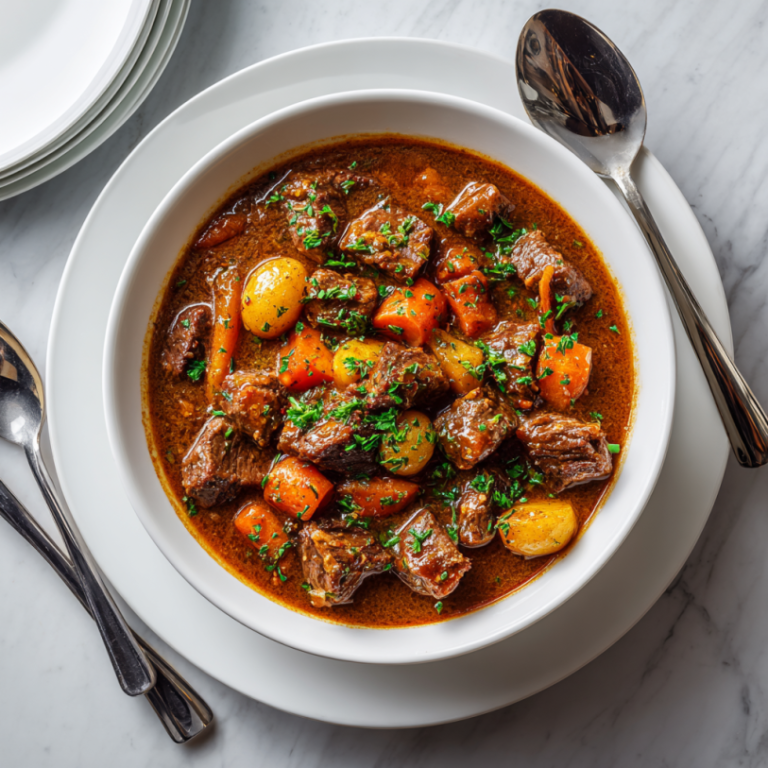
There’s something irresistible about a bowl of Guinness beef stew. Rich, dark, and slow-simmered to perfection, it’s the kind of meal that makes you pause, breathe deeply, and savor. Whether you’re cooking to impress, feeding a hungry family, or just craving comfort in a bowl, this dish checks every box. In this article, we’ll walk through a foolproof Guinness beef stew recipe, explore ingredient choices, cooking methods, variations, and exactly what to serve with it. From stovetop to slow cooker, you’ll find everything you need to master this hearty classic—and maybe create a few new memories of your own.
For a hands-off version of this comfort classic, check out this slow cooker beef stew recipe that brings deep flavor with minimal effort.
The Story Behind the Stew
A Taste of Ireland, Cooked From the Heart
Hi, I’m Tasha Mayfield—and if there’s one thing I know, it’s that food can tell stories long after the plates are cleared. My love for soulful cooking started in a kitchen that smelled like simmering greens and homemade broth, where recipes were passed down with a wink and a wooden spoon.
But the first time I tasted Guinness beef stew, it was a world away from my own kitchen. I was traveling through Ireland—wet boots, full journal, curious appetite—and wandered into a quiet pub tucked between hills and harbor. The stew they served? It wasn’t just hot and hearty. It was bold, deep, unforgettable.
Beef that practically fell apart, vegetables that had soaked up every note of the stout, and a broth so rich it could’ve told its own story. That experience stuck with me. So when I came back home, I got to work.
My First Encounter With Guinness Stew
Creating my own version of that pub-style Guinness beef stew recipe became a personal mission. I wasn’t after perfection—I was after soul. I wanted a stew that hugged you from the inside out. The secret, I found, wasn’t just the Guinness (though that iconic dark stout absolutely brings depth). It was in building layers—searing the beef until it’s browned just right, adding the veggies in stages, and letting time do its magic.
Now, this is the stew I make when friends come over in winter or when life calls for comfort in a bowl. Readers have shared their own spins—some add parsnips, others use lamb. That’s the beauty of a great recipe—it travels, adapts, and becomes part of your story.
Print
Guinness Beef Stew Recipe
- Total Time: 2 hours 50 minutes
- Yield: 6 servings
Description
This Guinness Beef Stew Recipe is a slow-simmered, rich, and hearty Irish-inspired dish. Tender chunks of beef, root vegetables, and a deep, malty Guinness stout broth come together in a cozy one-pot meal that’s perfect for Sunday dinners or St. Patrick’s Day celebrations.
Ingredients
- 2 tablespoons olive oil
- 2.5 lbs beef chuck roast, cut into large chunks
- Salt and freshly ground black pepper to taste
- 2 tablespoons all-purpose flour (or cornstarch for gluten-free)
- 1 large yellow onion, chopped
- 3 cloves garlic, minced
- 3 carrots, peeled and chopped
- 3 medium potatoes, peeled and cubed
- 2 tablespoons tomato paste
- 1 bottle (14.9 oz) Guinness Draught stout
- 2 cups beef broth
- 1 tablespoon Worcestershire sauce
- 1 teaspoon dried thyme
- 1 bay leaf
- Fresh parsley for garnish (optional)
Instructions
- Sear the Beef: Heat olive oil in a large Dutch oven over medium-high heat. Season beef with salt and pepper, toss in flour, and sear until browned on all sides. Remove and set aside.
- Sauté the Aromatics: In the same pot, sauté onions until soft, about 5 minutes. Add garlic and tomato paste, stirring for 1 minute.
- Deglaze with Guinness: Pour in the Guinness, scraping up any browned bits from the bottom of the pot. Let simmer for 3 minutes.
- Combine and Simmer: Return the beef to the pot. Add carrots, potatoes, beef broth, Worcestershire sauce, thyme, and bay leaf. Stir well.
- Cook Low and Slow: Bring to a gentle simmer. Cover and cook over low heat for 2.5 hours, or until beef is fork-tender.
- Final Touches: Discard bay leaf. Taste and adjust seasoning. Garnish with chopped parsley before serving.
Notes
For deeper flavor, make the stew a day ahead—it tastes even better the next day. Swap the Guinness with a gluten-free stout or rich beef stock if needed. Add frozen peas or chopped greens in the final 10 minutes for added color and freshness.
- Prep Time: 20 minutes
- Cook Time: 2 hours 30 minutes
- Category: Main Dish
- Method: Stovetop
- Cuisine: Irish Inspired
Nutrition
- Serving Size: 1 bowl (about 1/6 of recipe)
- Calories: 475
- Sugar: 4g
- Sodium: 720mg
- Fat: 22g
- Saturated Fat: 7g
- Unsaturated Fat: 12g
- Trans Fat: 0g
- Carbohydrates: 30g
- Fiber: 4g
- Protein: 38g
- Cholesterol: 95mg
Choosing the Right Ingredients
What Makes Guinness Perfect for Stew?
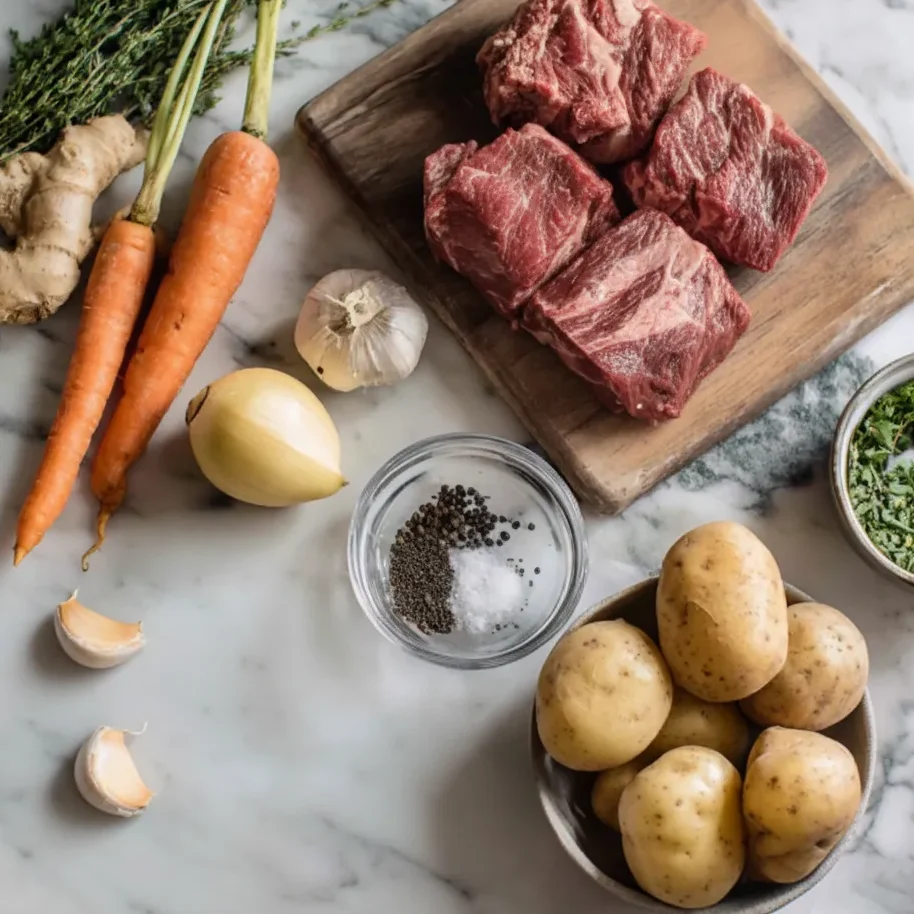
If you’ve never cooked with beer before, Guinness might surprise you. It’s not just any beer—it’s a dark Irish stout with malty richness, a creamy body, and just enough bitterness to balance the sweetness of slow-cooked vegetables. When simmered into a stew, it reduces down into something bold and savory. It’s what makes an ordinary beef stew taste like an authentic Irish Guinness stew.
You don’t need to buy the fancy extra stout either—the standard Draught in a can works beautifully. The key is to deglaze the pot with Guinness after browning the beef, letting all those flavorful bits dissolve into the base of your broth. From there, the magic happens slowly, over low heat.
This stew also works well as a main course for St. Patrick’s Day dinner recipes. It’s festive, comforting, and deeply Irish in character without needing green food coloring or gimmicks. Just hearty, soulful food.
Best Cuts of Beef for Tender Results
Not all beef is created equal—especially when it comes to stewing. You want a cut with plenty of connective tissue and marbling, so it breaks down beautifully during the long simmer.
The best choice? Chuck roast. It’s affordable, widely available, and delivers that fall-apart texture you expect from a great Guinness beef stew recipe.
Other good options include:
- Beef shin (or shank): More collagen, even deeper flavor
- Brisket: Slightly fattier, great if you like rich broth
- Round or stewing beef: Leaner, but benefits from a longer cooking time
Whichever cut you choose, make sure to cut it into large, hearty chunks—not tiny cubes. Bigger pieces stay moist and tender. And don’t skip searing—it locks in flavor that slow cooking alone can’t provide.
Cooking Method Mastery
Dutch Oven, Slow Cooker, or Instant Pot?

When it comes to cooking a rich, flavorful Guinness beef stew recipe, the method you choose can make all the difference. While the ingredients stay the same, each cooking method brings its own vibe—and timeline—to the table.
Dutch Oven: The classic. A heavy pot that holds heat well and lets you build flavor in layers. You can sear the beef, sauté the vegetables, and slow simmer the stew all in one place. If you’ve got a lazy Sunday and want to go full traditional, this is the method most true to an Irish Guinness stew cooked low and slow.
Slow Cooker: Perfect for busy days. After searing your meat and softening your aromatics on the stovetop, transfer everything to your slow cooker. Set it and forget it for 6 to 8 hours on low. You’ll come home to a kitchen that smells like comfort—and a stew that tastes like it cooked all day, because it did.
Instant Pot: Short on time? This method gives you the depth of a long-simmered stew in under 90 minutes. Use the sauté setting to brown your ingredients before pressure cooking. It won’t be exactly the same, but it gets surprisingly close.
The Role of Low and Slow Cooking
The soul of any Irish Guinness stew is time. Simmering low and slow allows the tough cuts of beef to break down into tender bites, while the flavors deepen and blend into something far greater than the sum of their parts.
It’s also what makes this recipe perfect for St. Patrick’s Day dinner recipes. You can prep it early in the day, let it simmer while you entertain, and serve a hearty, piping hot meal straight from the pot.
That low heat and long cook? It’s not just tradition—it’s the secret to transforming good ingredients into an unforgettable Guinness beef stew recipe.
Layering Flavors Like a Pro
Deglazing With Guinness—Why It Works
Flavor doesn’t just come from ingredients—it comes from technique. And one of the most powerful techniques in any Guinness beef stew recipe is deglazing.
After browning the beef in your pot, you’re left with a layer of caramelized bits stuck to the bottom—this is flavor gold. Instead of scraping them off and tossing them, you pour in a generous splash of Guinness stout. As it hits the hot pan, those bits release into the liquid, infusing it with depth, complexity, and just a touch of malty bitterness.
This is the first moment where the beer really starts to shine. It doesn’t just moisten the pot—it transforms the entire base of your Irish Guinness stew. As it simmers, the alcohol cooks off, leaving behind flavor that’s earthy, slightly smoky, and rich. It sets the stage for every ingredient you add afterward.
So don’t skip the deglaze. It’s one of the reasons this stew feels so cozy, even when it’s dressed up for St. Patrick’s Day dinner recipes.
Timing the Veggies for Perfect Texture
A common mistake in stew-making is dumping all the vegetables in at once. In this recipe, timing matters.
Start by sautéing your aromatics—onions, garlic, and celery. Let them get soft and fragrant before anything else goes in. This builds the flavor base and gives your stew its depth.
Next, add root vegetables like carrots and potatoes about halfway through cooking. This prevents them from turning mushy. If you’re using peas or greens, toss them in during the last 10–15 minutes so they stay vibrant.
When each layer is cooked just right, the final result is a Guinness beef stew recipe that’s not just rich—it’s perfectly balanced in taste and texture. The beef is tender, the broth is complex, and the veggies still have their shape. That’s the beauty of a well-built Irish Guinness stew—it feels rustic, but every detail is intentional.
Variations for Every Home Cook
Make It Gluten-Free, Low-Carb, or With Lamb
One of the best things about this Guinness beef stew recipe is how adaptable it is. Whether you’re dealing with dietary needs, ingredient shortages, or just personal preferences, this stew can flex to fit your kitchen.
For a gluten-free version, choose a certified gluten-free stout (yes, they exist) or substitute with a dark, rich stock or alcohol-free malt beverage. You’ll still get depth without the gluten. Also, thicken the stew with cornstarch or arrowroot instead of flour.
Going low-carb? Skip the potatoes and bulk it up with turnips, cauliflower florets, or extra beef. You’ll still have a hearty Irish Guinness stew, just a little friendlier to your macros.
Prefer lamb to beef? It works beautifully here. Lamb shoulder, in particular, becomes wonderfully tender and adds a slightly gamey richness that plays well with the Guinness. Just keep the same technique: sear, deglaze, simmer slow.
This flexibility also makes it a crowd-pleaser during holiday meals. Many readers turn to this exact Guinness beef stew recipe when planning St. Patrick’s Day dinner recipes—because it can feed everyone at the table, regardless of diet.
Make-Ahead, Freeze, or Meal-Prep Friendly
If you’re like most home cooks, you don’t always have hours to spare right before dinner. Good news: this Irish Guinness stew only gets better with time.
Make it the day before for even deeper flavor. Store it in the fridge, then reheat gently on the stove. The Guinness melds with the meat and vegetables overnight, giving you a richer, rounder taste.
Freezing? Absolutely. Let it cool completely, portion it out, and freeze for up to three months. It’s a lifesaver on cold weeknights when you want something hearty fast.
Meal-prepping? Divide into containers with rice or mashed cauliflower, and you’ve got multiple dinners ready to go. It reheats like a dream and holds up well over several days.
No matter how or when you serve it, this Guinness beef stew recipe delivers comfort and bold flavor with every bite. And whether it’s for a big celebration or a regular Tuesday night, it fits beautifully into your real life.
What to Serve With Guinness Beef Stew
Perfect Pairings: Breads, Beers & Beyond
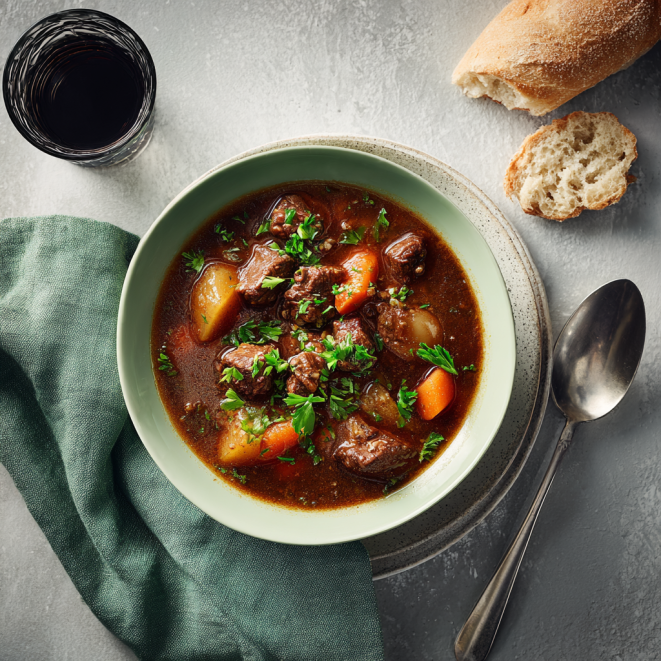
Once your Guinness beef stew recipe is bubbling away, the next question is—what do you serve with it? A stew this hearty deserves the right supporting cast. The goal? Complement the rich, slow-simmered flavors without overpowering them.
For bread, you can’t go wrong with a thick slice of Irish brown bread or soda bread. The crumb soaks up that dark, Guinness-infused broth beautifully, making every bite count. Crusty baguettes or garlic toast are welcome additions too—especially when warm from the oven.
Want to keep things traditional? Serve your Irish Guinness stew with colcannon—creamy mashed potatoes mixed with cabbage or leeks. It’s Irish comfort food at its finest, and the soft texture pairs perfectly with chunks of melt-in-your-mouth beef.
If you’re planning St. Patrick’s Day dinner recipes, go big. A bright cabbage slaw can add crunch and contrast. Roasted root veggies like parsnips or carrots extend the rustic vibe. And a pint of Guinness? It’s not just for cooking—it’s the ultimate pairing.
The key to great sides is balance. Let your Guinness beef stew recipe shine, but don’t be afraid to add brightness or texture through the sides. Every spoonful of stew becomes better with something thoughtful next to it.
Side Dishes That Complement the Depth
Because Irish Guinness stew is so rich and layered, your sides should either refresh the palate or echo the comfort.
Try:
- Steamed green beans with a splash of lemon
- Honey-buttered peas and pearl onions
- Roasted garlic mashed potatoes
- Pan-fried cabbage with bacon bits
- A light arugula salad with mustard vinaigrette
For a truly memorable St. Patrick’s Day dinner, set your table with dishes that feel special but not fussy. The Guinness beef stew recipe brings the heart. The sides bring the harmony.
And don’t forget dessert. A simple vanilla custard or warm apple cake is just the right finish to a feast rooted in tradition and flavor.
Whether you’re hosting a crowd or cooking for two, this stew is the anchor that makes the whole meal feel like an occasion.
FAQs
What kind of Guinness should I use for beef stew?
For the best results in a Guinness beef stew recipe, use Guinness Draught (in a can or bottle). Its smooth, malty flavor adds depth without overwhelming the dish. Avoid Guinness Extra Stout unless you prefer a stronger, more bitter profile. The rich body of regular Draught Guinness creates the perfect base for an authentic Irish Guinness stew.
What’s the difference between Irish stew and Guinness beef stew?
Traditional Irish stew is often made with lamb, potatoes, and a clear broth, while an Irish Guinness stew uses beef and features a dark, rich gravy created with Guinness stout. The Guinness beef stew recipe offers deeper flavor and a heartier texture, making it a favorite for modern cooks—especially around St. Patrick’s Day.
Can I freeze Guinness beef stew?
Absolutely. This Guinness beef stew recipe freezes beautifully. Let the stew cool completely, then portion it into airtight containers. It will keep well for up to 3 months. When ready to enjoy, thaw in the fridge overnight and reheat gently on the stove. It’s one of the most freezer-friendly St. Patrick’s Day dinner recipes you can batch cook in advance.
Conclusion
If you’re craving a dish that wraps you in comfort and tradition, this Guinness beef stew recipe delivers on every level. It’s hearty enough for cold nights, impressive enough for gatherings, and timeless enough to earn a permanent spot in your rotation. With tender beef, root vegetables, and that unmistakable depth from Guinness, it’s more than a meal—it’s a memory waiting to happen. Whether you’re serving it up as part of your St. Patrick’s Day dinner recipes or just looking for a satisfying Sunday meal, this Irish Guinness stew is exactly what your table—and your soul—needs.
Discover more culinary ideas and easy recipes on Facebook and Pinterest.